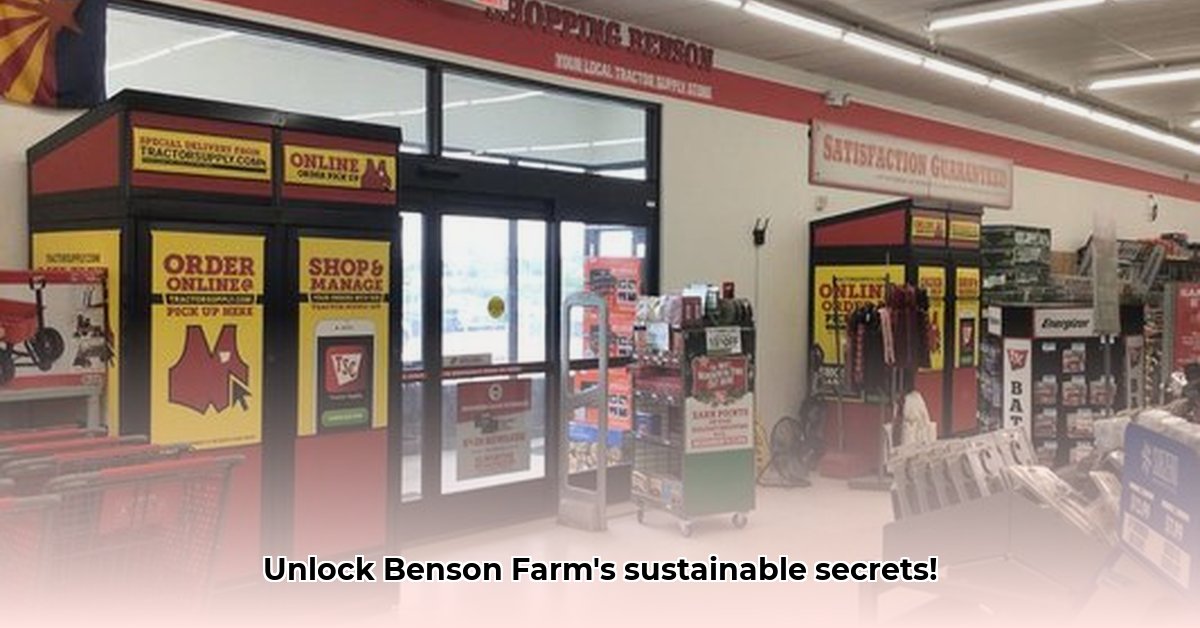
Tractor Supply Benson: Serving the Benson Agricultural Community
Tractor Supply Company (TSC) in Benson, Arizona, is a key resource for the local agricultural community, providing a wide range of products for farmers, ranchers, and gardeners. From livestock feed and farming equipment to gardening tools and pet supplies, TSC serves as a one-stop shop for many local operations. However, understanding its contribution to sustainable agricultural practices and identifying areas for improvement requires a closer examination. For more information on sustainable practices at Tractor Supply, see this helpful resource.
Tractor Supply Benson's Offerings: A Closer Look
TSC Benson's inventory encompasses diverse agricultural needs. While they offer essential supplies like feed, equipment, and tools, the availability of products explicitly designed for sustainable agriculture warrants further investigation. For instance, while water-efficient irrigation components are likely stocked, the selection of organic seeds or other eco-friendly items may be limited. A direct evaluation of their current offerings is crucial for a complete assessment. This inventory assessment should include a focus on the availability of products which support water conservation, reduced chemical usage, and soil health improvement.
Sustainability Analysis: Challenges and Opportunities
Currently, readily available data on TSC Benson's sustainability efforts are limited. Information on sustainable sourcing, packaging materials, and the environmental impact of its supply chain is not publicly accessible. This data scarcity reflects a common challenge faced by many businesses, stemming from several factors:
- Data Collection Complexity: Gathering comprehensive data across a vast supply chain is resource-intensive.
- Evolving Sustainability Standards: Defining and measuring sustainability involves diverse metrics and interpretations, leading to inconsistencies. What qualifies as "sustainable" is in constant flux.
- Financial Investment and Time Constraints: Thorough sustainability assessments necessitate significant investments in both time and resources.
The absence of readily available data, however, doesn't negate the potential for TSC Benson to contribute to sustainable agriculture. Further research is essential to fully assess its environmental footprint and identify opportunities for improvement. Transparency in data collection and reporting would significantly bolster TSC's commitment to sustainability.
Actionable Steps for a More Sustainable Future
Improving sustainability in Benson’s agricultural sector hinges on collaborative efforts from multiple stakeholders: farmers, TSC management, the Benson community, and researchers. The following steps outline concrete actions:
For Benson Farmers:
- Inventory TSC's Options: Thoroughly examine TSC Benson's offerings—both in-store and online—identifying products aligning with your sustainability goals (e.g., organic alternatives, water-efficient tools).
- Provide Direct Feedback: Communicate your needs to TSC staff. Request specific sustainable products not currently stocked. A formal letter or email expressing these preferences can significantly impact their purchasing decisions.
- Explore Local Alternatives: Support local businesses promoting sustainable practices. This might involve sourcing seeds from local organic growers, sharing resources with other farms, and diversifying supply chains to reduce reliance on a single supplier and enhance the local economy.
For Tractor Supply Benson Management:
- Engage Your Customer Base: Conduct surveys or focus groups to gauge farmers' preferences for sustainable products. This direct feedback can profoundly inform purchasing decisions.
- Prioritize Responsible Sourcing: Partner with suppliers prioritizing environmental responsibility, leveraging certifications like Fair Trade or organic as indicators of sustainable practices.
- Promote Sustainable Practices: Launch educational initiatives (workshops, brochures, online resources) to educate customers on sustainable agriculture. Collaborating with local agricultural organizations can broaden your outreach.
For the Benson Community:
- Support Local Businesses: Invest in local businesses committed to sustainable agriculture, incentivizing them to maintain their eco-friendly practices.
- Advocate for Policy Change: Encourage local government to implement supportive policies such as tax incentives for farmers adopting sustainable practices, funding for research, or support for farmer cooperatives.
For Researchers:
- Conduct In-Depth Case Studies: Investigate TSC Benson's impact on sustainable agriculture. This could involve studying their supply chain, consumer behavior, and the overall environmental footprint of their operations. This analysis could include a life-cycle assessment of key products.
- Analyze Supply Chain Sustainability: Focus on the environmental impacts of TSC's supply chain, including analysis of carbon emissions, water usage, and waste production throughout the supply chain.
- Promote Data Transparency: Encourage TSC to publicly release regular sustainability reports providing detailed information on their environmental and social impacts.
Conclusion: A Shared Commitment to Sustainability
Building a truly sustainable agricultural future in Benson demands a collective effort. Open communication and collaboration among farmers, businesses like TSC, the local government, and researchers are crucial. Transparency in data sharing and a dedication to implementing sustainable practices are vital to fostering a thriving and environmentally conscious agricultural ecosystem. The future of Benson's agricultural landscape depends on our shared commitment to sustainable practices.